
By Gustavo de Menezes
In 2024, Botafogo fans celebrated the Brazilian Championship and, for the first time, the Copa Libertadores (Photo: Botafogo)
Founded in 1942 in the city of Rio de Janeiro through the merger of Botafogo Football Club and Clube de Regatas Botafogo, one of the most traditional clubs in Brazilian football was born: Botafogo de Futebol e Regatas.
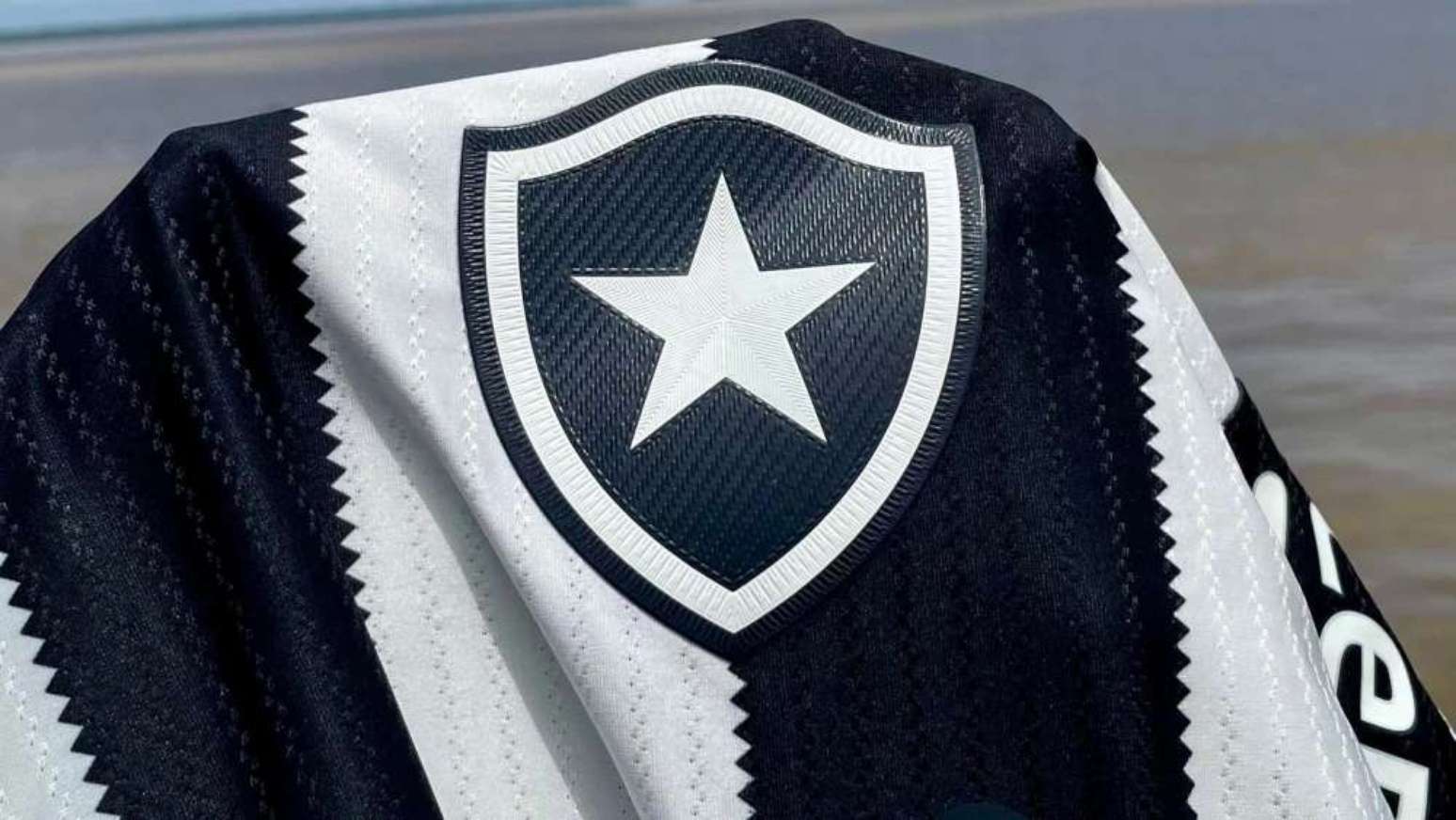
Talking about Brazilian football, especially its five-time World Cup–winning national team, almost inevitably means talking about Botafogo. To this day, the club is the one that has supplied the most players to the Seleção, playing a direct role in producing stars who were key figures in Brazil’s first three World Cup titles. Known as the club of the Lone Star, a reference to its iconic badge, Botafogo formed part of the backbone of the national teams that won the World Cups in 1958, 1962, and 1970. Alongside Pelé’s Santos, it was one of the most influential and globally relevant clubs between 1950 and 1970.
In the decades that followed, however, mounting internal and external debts pushed Botafogo out of the spotlight of Brazilian football. The club endured a 21-year title drought, which only came to an end in 1989 with the Carioca Championship, Rio de Janeiro’s state tournament. Six years later, in 1995, led by prolific striker Túlio “Maravilha,” Botafogo returned to the top of the national stage by lifting the Brazilian league trophy.
Once again, though, long periods without major success followed. Haunted by overwhelming debt, the club was relegated to Série B of the Brazilian Championship for the first time in its history in 2002, a fate that would repeat itself in 2014 and 2020. Surrounded by rumours that the club might even shut its doors, a major turning point emerged in Brazilian football: the creation of the Sociedade Anônima do Futebol (SAF).
The SAF era
The SAF model transformed Brazilian clubs from non-profit associations into corporate entities, allowing them to attract investors, professionalize management, and restructure their finances. By separating the football department, the model made it easier to sell shares and address long-standing debts. On January 14, 2022, Botafogo’s General Assembly approved the creation of its SAF and the sale of 90% of its shares to businessman John Textor, a decision that dramatically changed the club’s trajectory.
That same year, Botafogo returned to Série A and began a process of financial restructuring and debt renegotiation. On the pitch, the team delivered a respectable campaign, narrowly missing out on qualification for the Copa Libertadores at the end of the season.
Read more: Seedorf: the Dutch star who united European technique with Brazilian brilliance in Botafogo
The following year, the famous phrase “there are things that only happen to Botafogo”—often linked to the club’s reputation for having Brazil’s most superstitious fanbase—seemed to ring true. Botafogo put together a historic Brazilian league campaign and appeared all but certain to win the title. However, a string of late-season setbacks saw the club not only lose the championship, but also come close to missing out on Libertadores qualification altogether.
After international disappointment and deep frustration among supporters, Botafogo entered the most successful year in its history. In 2024, fans celebrated like never before as the club won both the Brazilian Championship, its third national title, and, for the first time, the Copa Libertadores.
High expectations for another trophy-laden year in 2025 did not materialize, but the team arguably achieved its greatest international victory to date. In the newly created FIFA Club World Cup, Botafogo defeated Paris Saint-Germain, then reigning UEFA Champions League winners, during the group stage.

The 1934 Botafogo team which conquered their fourth straight Rio de Janeiro state championships (Photo: Public Domain Photograph)
At present, Botafogo’s future is clouded by growing uncertainty surrounding its SAF and majority shareholder, John Textor. Since the creation of the SAF on December 30, 2021, the club has experienced a rapid rise in debt levels.
According to an investigation published by O Globo columnist Ancelmo Gois, Botafogo has accumulated, on average, around R$1 million in new debt per day since the start of the SAF’s operations.
With total liabilities estimated at approximately R$1.5 billion, and considering the company’s declared share capital of R$356.9 million over roughly 1,490 days of operation, the figures point to an average daily increase of about R$1.006 million in liabilities.
This level of indebtedness has reportedly placed a potential judicial recovery process on the club’s radar, although Botafogo has publicly denied taking any formal steps in that direction, stating in an official note that no request for court-supervised restructuring has been initiated at this time.