
São Januário Stadium: Vasco’s historic home and a symbol of Brazilian football
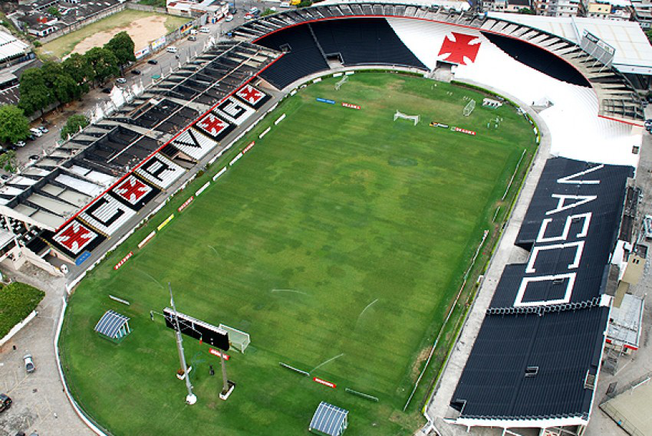
By Lyncon Pradella The construction of São Januário represented a historic achievement for Vasco and for Brazilian sport (Photo: Vasco) São Januário Stadium, home of Rio de Janeiro–based club Vasco da Gama, is one of the most traditional venues in Brazilian football. Located in the São Cristóvão neighbourhood, in the northern zone of Rio de […]
Arena das Dunas: From the 2014 World Cup stage to a multi-purpose hub for business and events
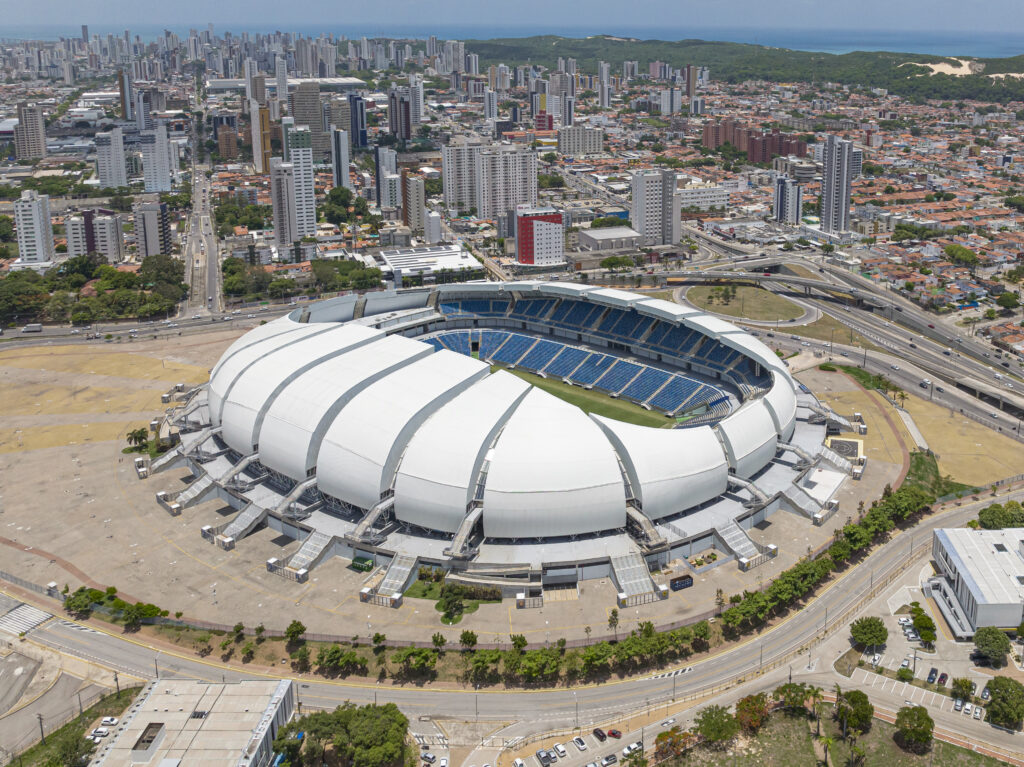
By Renne Domingos Arena das Dunas was one of the stadiums designed to host matches of the 2014 FIFA World Cup in Brazil, located in the state of Rio Grande do Norte. Construction lasted around two and a half years, and the venue was officially inaugurated on January 22, 2014. In addition to hosting major […]
Morumbi Stadium: a temple of São Paulo football and a stage for great emotions
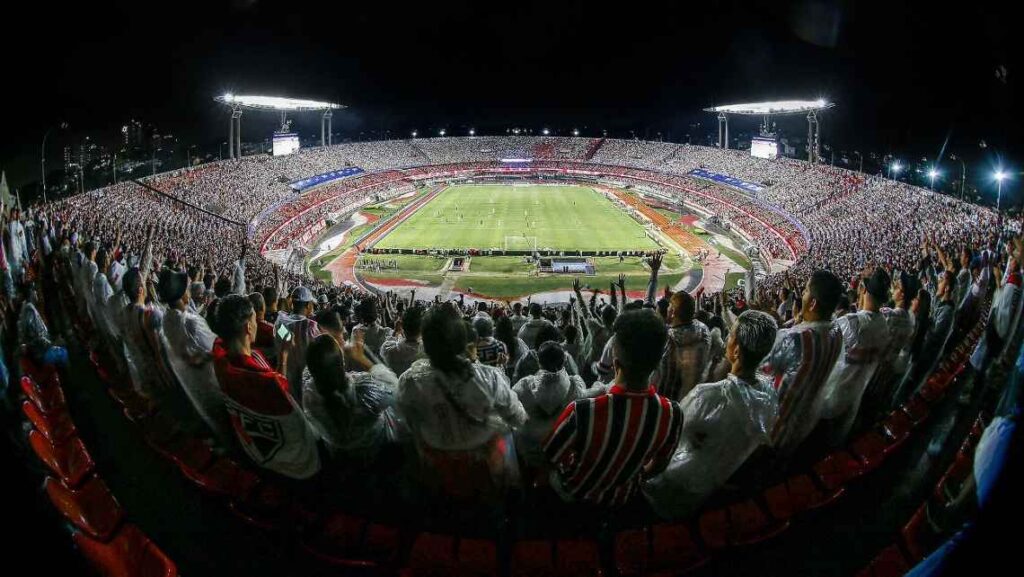
By Jonas Souza The Cícero Pompeu de Toledo Stadium, better known as Morumbi, is one of the largest and most iconic stadiums in Brazil. Located in the southern zone of São Paulo, the Tricolor giant is the home of São Paulo Futebol Clube and one of the true temples of Brazilian and South American football. […]
Arena Pantanal: the World Cup stadium built in one of Brazil’s most iconic and biodiverse biomes
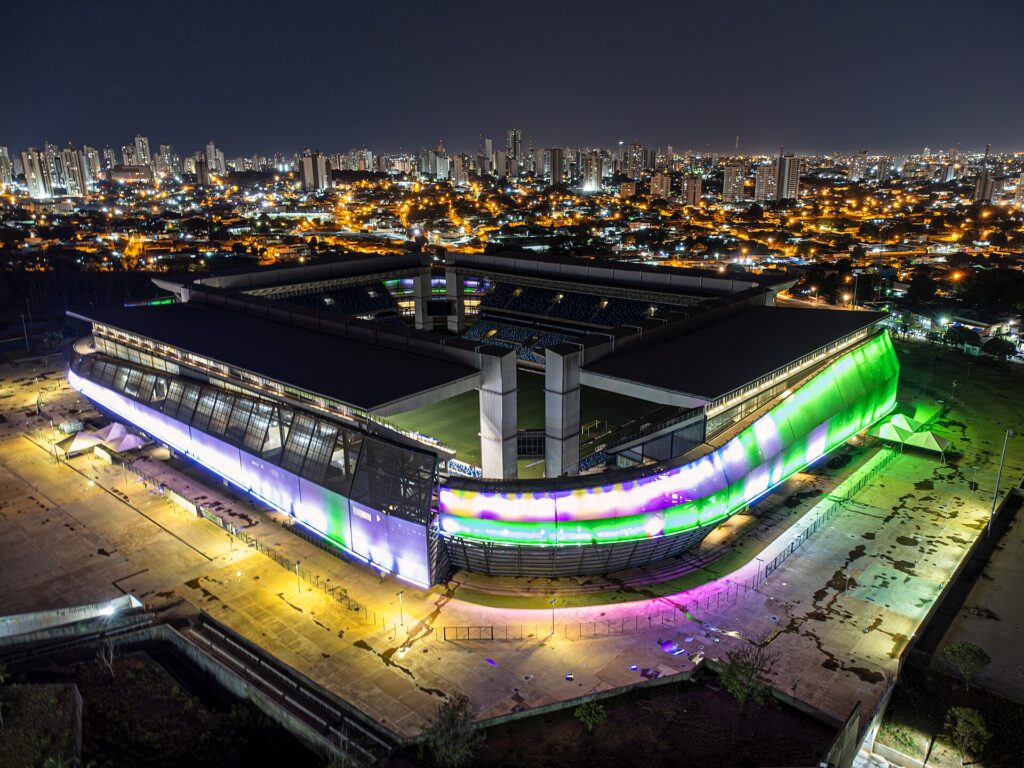
Arena Pantanal is one of the stadiums built to host matches during the 2014 FIFA World Cup in Brazil. It is located in Cuiabá, the capital of the state of Mato Grosso, in the country’s Central-West region. The stadium was constructed in the heart of the Pantanal, one of Brazil’s most iconic and biodiverse biomes, giving the project a special symbolic value for hosting the FIFA tournament and highlighting the region’s natural richness.
Arena Castelão: The giant of Brazil’s Northeast that captivates the nation’s football
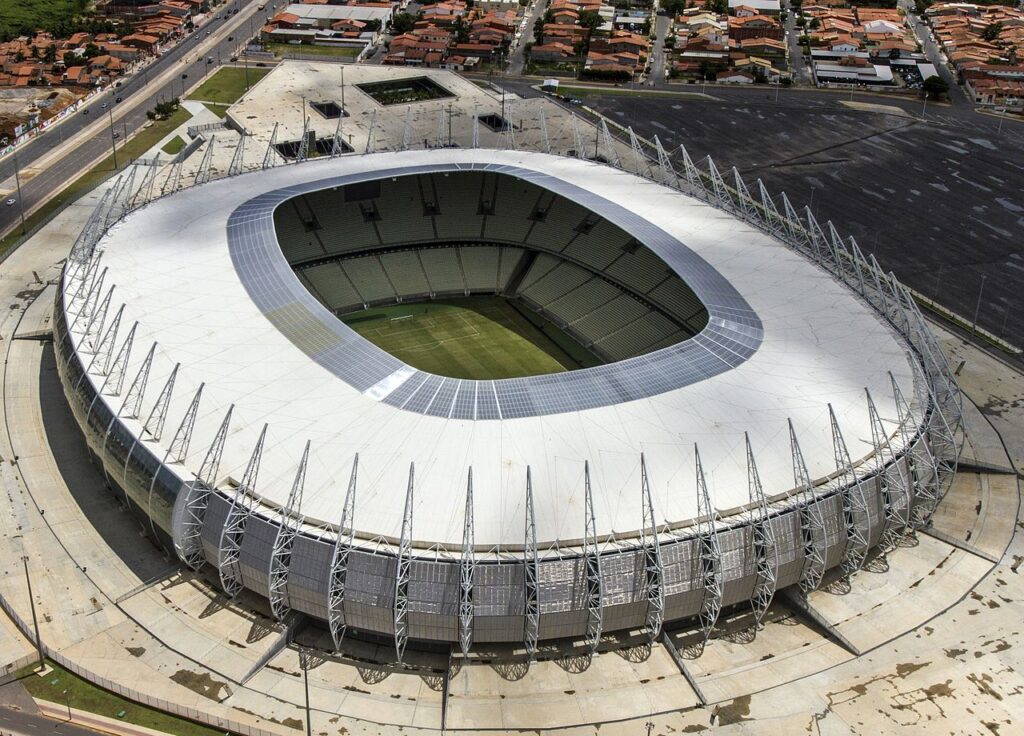
The Estádio Governador Plácido Aderaldo Castelo—better known as Arena Castelão—is one of Brazil’s leading football stadiums. Located in Fortaleza, in the North East state of Ceará, it was inaugurated on November 11, 1973, by then-governor César Cals de Oliveira.