
By Jonas Souza
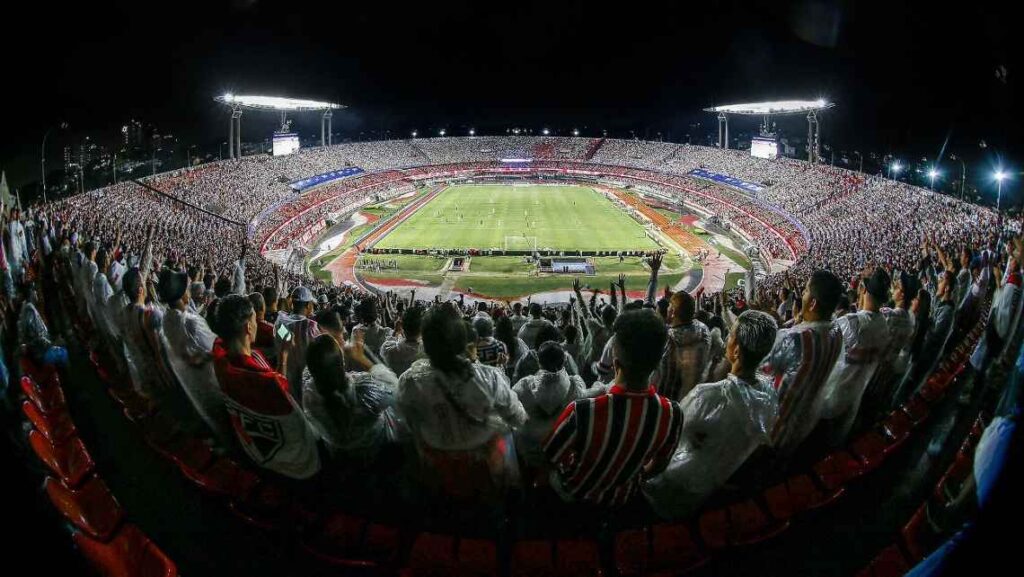
The Cícero Pompeu de Toledo Stadium, better known as Morumbi, is one of the largest and most iconic stadiums in Brazil. Located in the southern zone of São Paulo, the Tricolor giant is the home of São Paulo Futebol Clube and one of the true temples of Brazilian and South American football. Inaugurated on October 2, 1960, Morumbi symbolizes the strength of São Paulo football and the nation’s passion for the sport, having hosted historic matches, international concerts, and major cultural events.
The construction: São Paulo’s grand dream
The idea of building a stadium of its own emerged in 1950, when São Paulo sought a venue that would reflect the club’s greatness. The land in the Morumbi neighborhood was acquired in 1952, and construction began in 1953 under the leadership of then-president Cícero Pompeu de Toledo, whose name officially designates the stadium.
Despite facing financial difficulties, the project moved forward thanks to the support of the fans and popular fundraising campaigns. Morumbi was partially inaugurated in 1960 with a match between São Paulo and Sporting of Portugal, won by the Tricolor 1–0, with a goal by Peixinho – the first in the stadium’s history. Construction was only fully completed in 1970, making Morumbi the largest privately owned stadium in Brazil.
Structure and modernization of Morumbi
With a current capacity of 66,795 spectators, Morumbi once held more than 150,000 people before modernization and adaptation to FIFA and CBF safety and comfort standards. Over the years, the stadium has undergone several renovations, including the installation of numbered seats, modernization of luxury boxes, and improvements in lighting and accessibility.
Beyond its imposing architecture, Morumbi is renowned for the excellent visibility of the pitch. In 2020, the stadium received new giant screens, structural upgrades, and technological updates to remain competitive alongside the country’s newer arenas.
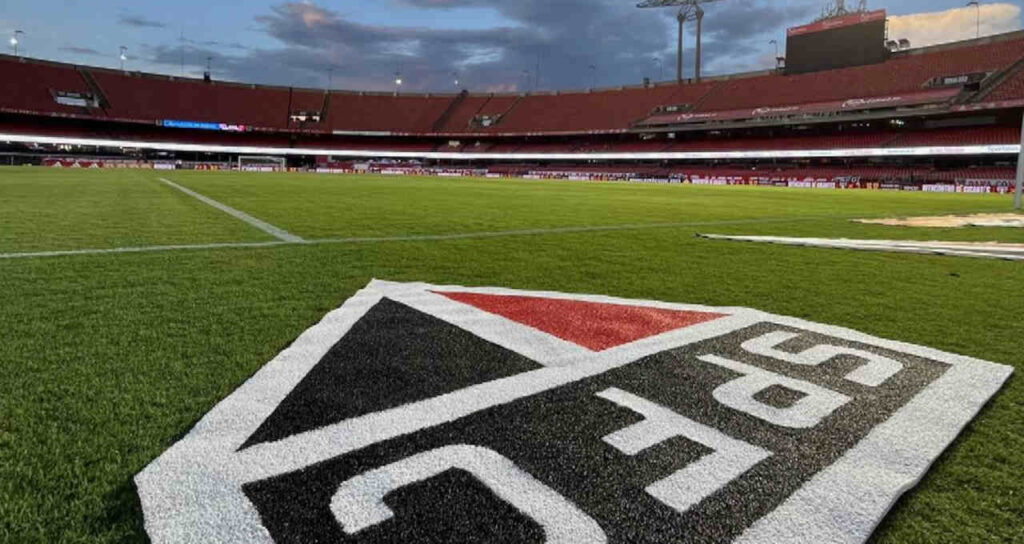
Stage of historic matches and Tricolor glory
Morumbi has been the setting for many of São Paulo’s greatest achievements, including titles in the Brazilian Championship, Copa Libertadores, and São Paulo State Championship. Among the most memorable moments are the Libertadores finals of 1992 and 1993 under Telê Santana, and the 2005 final, marked by a 4–0 victory over Athletico Paranaense.
In addition to São Paulo matches, Morumbi has hosted historic derbies and witnessed titles won by Corinthians, Palmeiras, and Santos, as well as matches by the Brazilian National Team, including friendlies and World Cup qualifiers. Legendary players who have taken the field at Cícero Pompeu de Toledo include Pelé, Maradona, Sócrates, Ronaldo, Rivaldo, Ronaldinho, Rogério Ceni, Kaká, Luis Suárez, Ademir da Guia, Rivellino, and many others.
One of the stadium’s attendance records was set on August 25, 1977, when 146,082 fans attended the draw between Corinthians and Ponte Preta in the São Paulo State Championship – one of the largest crowds in Brazilian football history.
As for the player who scored the most goals at the stadium, the honor belongs to Serginho Chulapa, with 135 goals in 188 matches. He is also São Paulo’s all-time top scorer.
Morumbi: more than football, a stage for culture and entertainment
Morumbi goes far beyond the pitch. The stadium is also one of São Paulo’s main cultural and entertainment venues, hosting concerts by national and international artists. Music legends such as Queen, Paul McCartney, U2, Beyoncé, Michael Jackson, Shakira, Madonna, Metallica, and the Rolling Stones have all performed there, turning Morumbi into a true center of celebration and emotion.
Beyond concerts, the stadium has also hosted religious and social events, including a visit by Pope John Paul II, who celebrated a mass there in 1980 before more than 140,000 faithful.
Legacy and the future
With more than six decades of history, Morumbi remains one of the most important stadiums in South America. Its grandeur, strategic location, and symbolic value for Brazilian football have made it a sporting and cultural landmark of the city of São Paulo.
Today, the stadium is a cornerstone of São Paulo FC’s modernization project, which aims to enhance the fan experience and keep Morumbi competitive alongside the country’s newer arenas. At the beginning of the last decade, São Paulo FC took a historic step by signing a partnership with Mondelez for the sale of the stadium’s naming rights. In 2023, it officially became known as Estádio Cícero Pompeu de Toledo – MorumBIS, marking the first time the venue’s name was associated with a commercial brand.
There are plans for future renovations, but they are limited by Morumbi’s designation as a cultural heritage site since 2018. This status prevents major changes to its façade and original structure, which, for example, makes it impossible to install a roof over the stands.