
By Jonas Souza
São Paulo Futebol Clube is one of the most successful and respected sports institutions in Brazil and South America. Founded on January 25, 1930, the Tricolor Paulista is known for its history filled with titles, exemplary management, and a strong tradition of developing great talents. Headquartered in the Morumbi district of São Paulo, the club carries a trajectory marked by national and international achievements, standing as a benchmark for professionalism, structure, and passion for football.
The foundation of São Paulo FC: the birth of a giant
São Paulo Futebol Clube was born from the merger of athletes and executives from Clube Atlético Paulistano and Associação Atlética das Palmeiras, two of the most important football clubs in São Paulo during the early decades of the 20th century. From its origins, the new club adopted the red, white, and black colors, symbolizing the union of its two founding teams.
Right from the start, São Paulo demonstrated its winning vocation by claiming the Campeonato Paulista in 1931, just one year after its foundation. Even after facing a brief period of inactivity in the first half of the 1930s, the Tricolor returned strongly in 1935 and quickly established itself as one of the leading powers in São Paulo football.
Among the legendary figures who marked São Paulo’s early years is Arthur Friedenreich, considered the first great star of Brazilian football. Known as “Fried,” he is regarded as one of the greatest goalscorers in history based on unofficial records, with 1,329 goals. The player represented Paulistano before the merger that gave rise to São Paulo and later wore the Tricolor shirt.
In the following decades, the Tricolor Paulista cemented its place as one of the main powers of Brazilian football. Under the leadership of legendary names such as Leônidas da Silva, the “Black Diamond,” who joined the club in the 1940s, São Paulo gained prestige and built a solid base of passionate supporters.
Structure and heritage: the pride of Morumbi
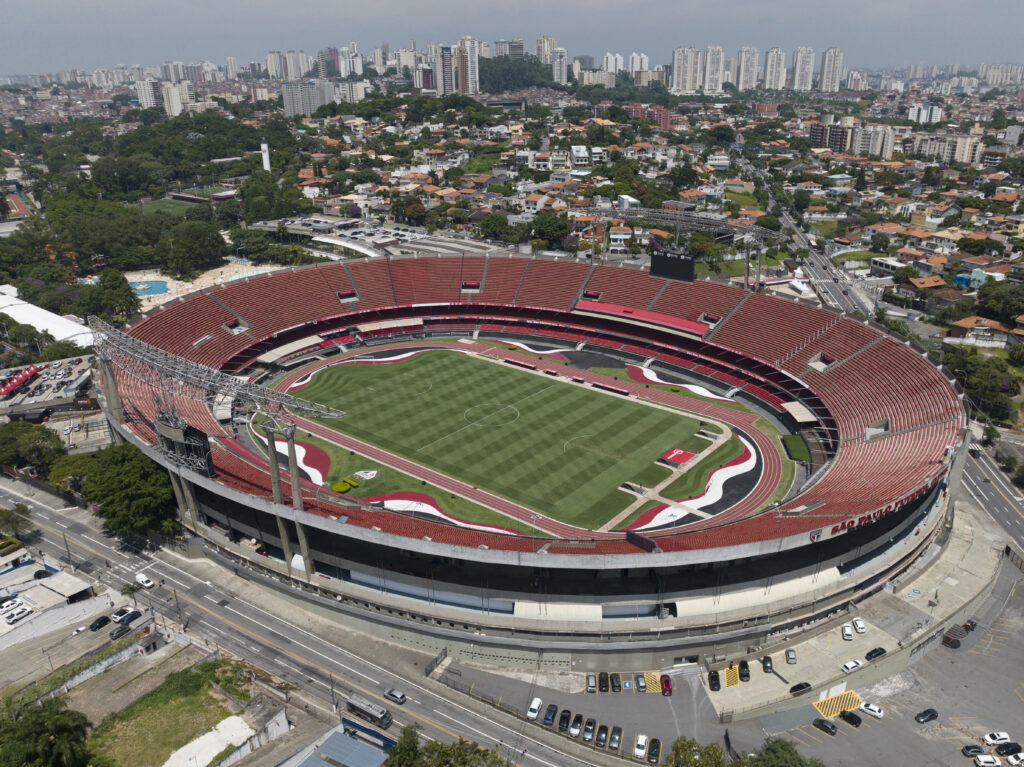
The Estádio Cícero Pompeu de Toledo, the legendary Morumbi, is one of São Paulo’s greatest symbols. Inaugurated in 1960, the stadium was built with the support of fans and club officials and became a landmark of Brazilian sports architecture. With a current capacity of around 66,000 spectators, it is the largest privately owned stadium in the country and one of the most imposing in Latin America.
Beyond being the home of the professional team, São Paulo boasts an outstanding structure for athlete development. The Barra Funda Training Center, used by the first team, and the Laudo Natel Athlete Development Center in Cotia are benchmarks in technology, sports science, and youth development. In 2023, the stadium gained a new commercial identity and was renamed MorumBIS, following a naming rights agreement with BIS chocolates, a brand of Mondelez Brasil.
São Paulo FC: a club of historic achievements
São Paulo is globally recognized for its impressive résumé. On the national stage, the club has won six Brazilian Championships (1977, 1986, 1991, 2006, 2007, and 2008), demonstrating consistency and competitiveness across decades. In addition, it lifted the Copa do Brasil in 2023, a historic title that further consolidated its position among the country’s greatest clubs.
The Tricolor also holds twenty-two Campeonato Paulista titles, reaffirming its regional dominance and its tradition of developing stars and memorable squads. Among interstate competitions, São Paulo won the Rio–São Paulo Tournament in 2001, a competition that brought together the strongest clubs from Brazil’s most competitive football axis.
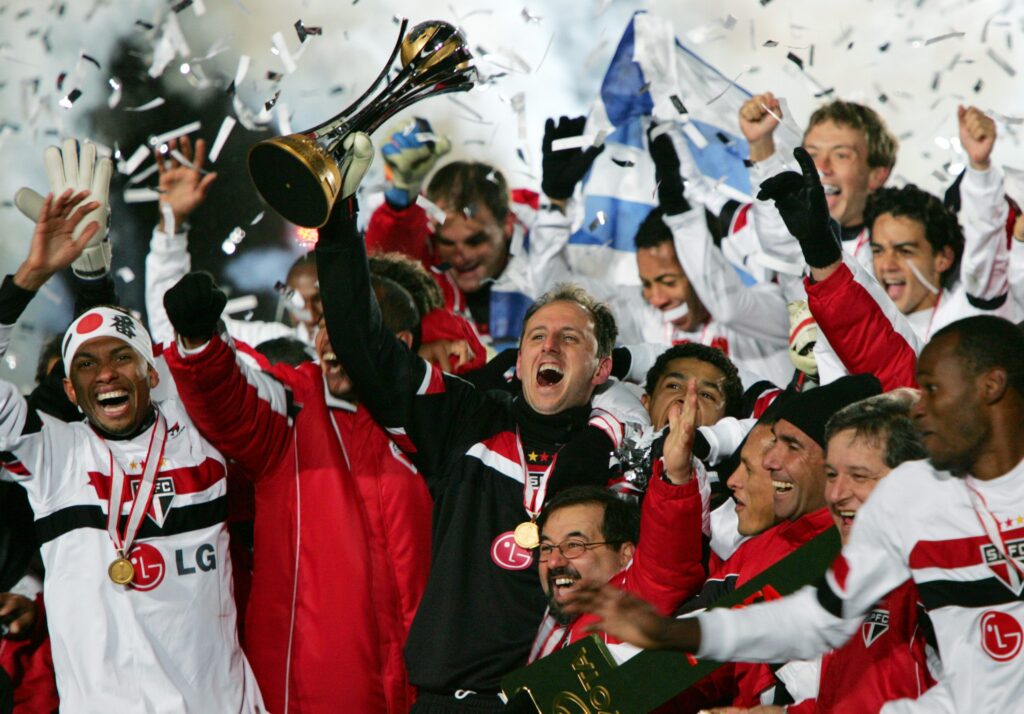
On the continental stage, São Paulo has shone like few others. It is a three-time Copa Libertadores champion (1992, 1993, and 2005) and has won three world club titles: two Intercontinental Cups (1992 and 1993) and one FIFA Club World Cup (2005), defeating Liverpool 1–0 in a memorable performance led by goalkeeper Rogério Ceni, one of the greatest idols in the club’s history.
São Paulo also won the Supercopa Libertadores in 1993, the Recopa Sudamericana in 1993 and 1994, the Copa Sudamericana in 2012, and the Copa CONMEBOL in 1994, establishing itself as one of the Brazilian clubs with the highest number of international titles: 12 in total. These victories turned the Tricolor into a global football brand, admired for its organization and technical style of play.
Idols and legendary generations
São Paulo’s history is marked by great idols and legendary generations. No name better symbolizes the Tricolor spirit than Rogério Ceni, the goal-scoring goalkeeper and the greatest idol in the club’s history. Over more than two decades defending São Paulo, he played over 1,200 matches and scored 131 goals – a record in the sport -achievements that turned him into a global legend.
Other eternal icons include Raí, captain of the Libertadores and World Cup triumphs in 1992; Telê Santana, the coach who revolutionized the club’s football with his offensive and disciplined philosophy; as well as stars such as Canhoteiro, Bellini, Teixeirinha, Pedro Rocha, Pablo Forlán, Muricy Ramalho, Careca, Müller, Zetti, Cafu, Toninho Cerezo, Palhinha, França, and Kaká, who defined different eras.
More recently, São Paulo has reaffirmed its talent-developing vocation by producing players such as Lucas Moura, Casemiro, Éder Militão, and Antony, all of whom have excelled abroad and with the Brazilian national team.
São Paulo FC beyond the pitch
São Paulo also stands out off the field. The club has one of the most passionate fan bases in Brazil, known for filling Morumbi and backing the team in every competition. Torcida Independente and other organized supporter groups are part of the Tricolor culture, following the club across the country and around the world.
In recent years, the Tricolor Paulista has invested heavily in innovation and digital transformation, expanding its revenue streams and modernizing its brand. The strengthening of women’s football, the Morumbi (MorumBIS) modernization project, and partnerships with major international brands reinforce São Paulo’s positioning as a club rooted in tradition while looking toward the future.
The legacy and future of the Tricolor Paulista
With nearly a century of history, São Paulo Futebol Clube is a true heritage of Brazilian sport. Its combination of tradition, achievements, and forward-looking vision places it among the most admired clubs in the world.
More than just a winning team, São Paulo represents the grit, pride, and creativity of São Paulo football. With a solid foundation, a passionate fan base, and management focused on innovation, the Tricolor moves forward determined to honor its history and continue conquering the future.